
HOW TO TRANSITION YOUR OUTFITS FROM WINTER TO SPRING
True Staff
Whether you’re on the East Coast or hanging around in the Midwest, you know that spring weather can be unpredictable — and this makes dressing tricky. One day you’re reaching for heavy knits built for the cold, and the next you’re dealing with rain, rising temps, and the dilemma of layering without overheating. With a few smart wardrobe tips and a go-to rotation of winter-to-spring outfits, you can transition from winter to spring without sacrificing style. Consider this your guide to building spring transition outfits that actually work through the season’s temperature swings.
FIRST: DON’T PACK THE WINTER ESSENTIALS JUST YET
You might feel tempted to phase out all winter essentials: don’t start just yet. Even when the temps start to rise, select winter pieces can still serve as the foundation for polished, transitional spring outfits. The key is knowing which items to keep and which to store.
Start by evaluating your winter wardrobe by insulation level. Thick wool sweaters, padded coats, and fully lined jackets can be stored. Hold onto your mid-weight knits and lighter outerwear, which are easier to layer with fluctuating temperatures.
CHOOSE THE RIGHT FABRICS
How do you know which fabrics to keep for spring?
For a general rule of thumb, opt for spring clothing fabrics, like:
- Light-weight cotton blends
- Linen
- Rayon
- Poplin
Consider storing away fabrics suitable for winter, like:
- Fleece
- Wool
- Velvet
- Cashmere
- Fur / faux fur
FRESHEN UP YOUR PALETTE
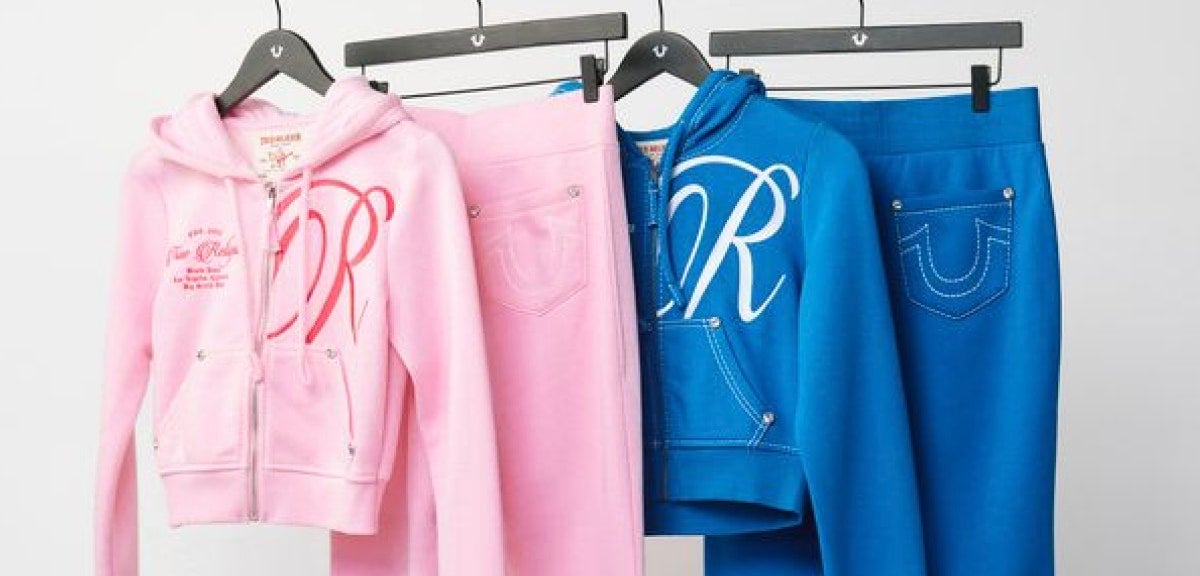
When evaluating your wardrobe, freshen up your color palette with lighter, springer colors to make spring transition outfits feel more seasonally balanced.
Lighten up on colors that lean more wintery, like:
- Dark Greens: Emerald, forest green, hunter green, olive
- Deep Blues: Royal blue, sapphire, dark navy
- Deep Reds & Purples: Burgundy/wine, sangria, plum
- Dark Neutrals: Charcoal gray, espresso brown
Instead, look for spring colors like:
- Lighter Blues: Soft chambray, sky blue, powder blue
- Soft Pastels: Blush, lavender, pale yellow, mint, baby blue
- Light Neutrals: Cream, taupe, beige, camel, white, light gray
- Fresh Muted Brights: Coral, peach, teal, aqua, cherry red
- Lighter Greens: Sage, pistachio, soft olive, celery green
LAYER LIKE A PRO
Layering is key to getting through the many shades of spring. It’s kind of an art. Layering too much can leave you feeling bulky and uncomfortable – especially during rainy, humid days. And with dramatic temperature swings throughout the day (chilly mornings, warmer afternoons), the goal is to build adaptable outfits that evolve as the day unfolds, especially on those spring cold outfit days when the morning and afternoon feel like two totally different seasons.
Start with lighter layers you can comfortably wear on their own, then add pieces only when you need them. For the foundation of your outfit, choose breathable layers like:
When extra warmth is needed, incorporate a simple mid-layer, like a fine-gauge sweater or lightweight cardigan, that can be added in the morning and easily removed.
Finish with a removable top layer. For weather-ready layers, choose:
- Windbreakers
- Lightweight rain jackets
For style-driven top layers, go for outerwear like:
- Blazers
- Bomber jackets
- Leather jackets
- Varsity jackets
EARLY SPRING OUTFITS (MARCH TO EARLY APRIL)
Early spring begins in March – sometimes even the end of February and wraps up in early April. Mornings are cold or chilly, and afternoons are unpredictable. The key to early spring styling is adaptability and warmth without full winter heaviness, with late winter, early spring outfits that still feel intentional.
Key priorities:
- Layering that can be added or removed (including mid-layers)
- Protecting against wind
- Holding onto select winter staples
Best clothing pieces for early spring:
- Mid to dark-wash denim jeans
- Mid-weight knits and tops
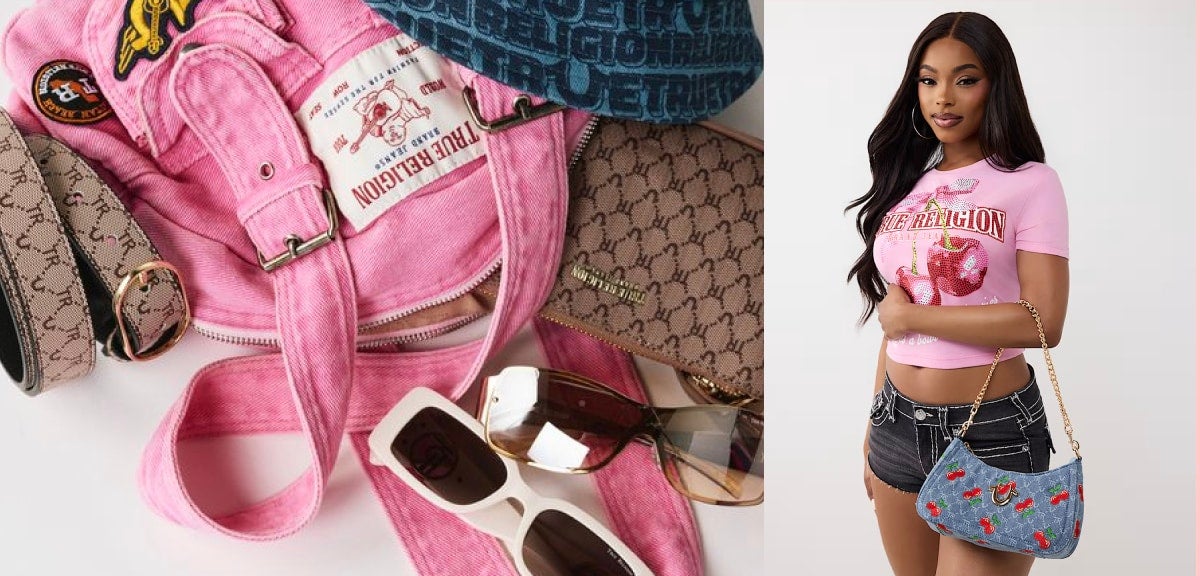
- Lightweight outwear (bombers, leather jackets, denim jackets, windbreakers)
- Boots and closed-toe shoes
- Neutral or deeper colors balanced with lighter pieces
MID-SPRING OUTFITS (MID-APRIL TO EARLY MAY)
Dreary spring tends to fade once mid-April swings around. Mornings are milder, and temperatures are more consistent, but there are still occasional rainy, cool, breezy days. Here, denim is a focal point as you move away from heavy outerwear.
Key priorities:
- Focusing on balance and versatility
- Opting for fewer layers – a base and top layer is usually sufficient
- Transitioning from practical to expressive
Best clothing pieces for mid-spring:
- Mid-wash to light-wash denim jeans
- Lightweight knit top or fitted T-shirts
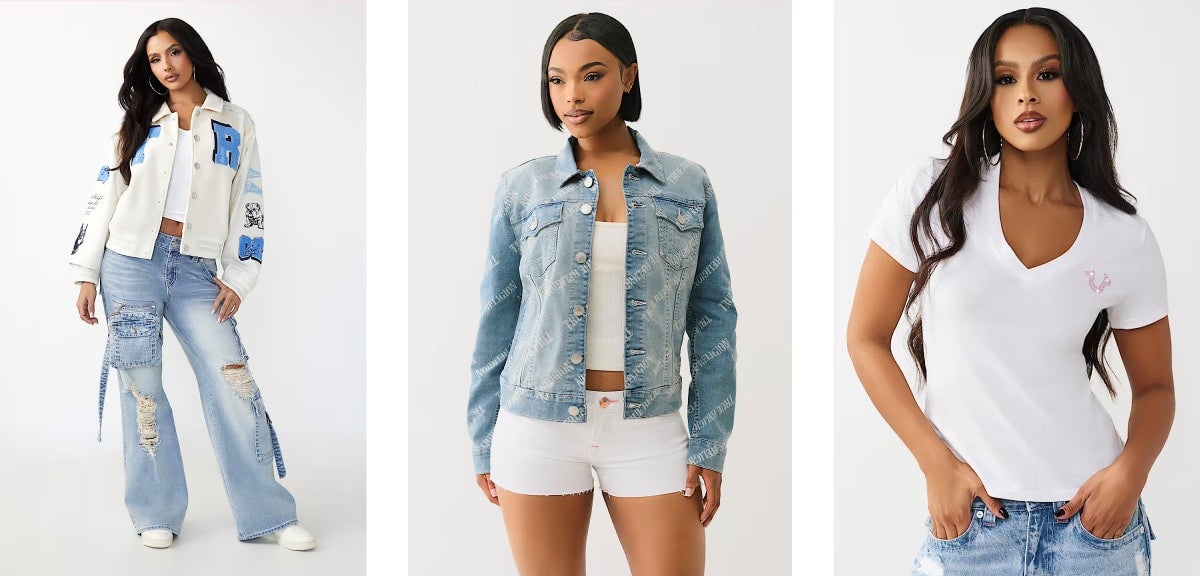
- Lighter outwear, like denim jackets and blazers
- Sneakers, loafers, or ankle boots
- Mid-length dresses
LATE SPRING OUTFITS (MAY TO EARLY JUNE)
The trees are leafy and green, the sun is out, and the weather is reasonably stable, even if temperatures can get hot in the afternoon. In late spring, your winter essentials should be fully packed away, and you’re ready to start your spring-to-summer transition. You probably don’t have to layer – maybe for the occasional rainy day, but in late spring, defensive dressing is behind you.
Key priorities:
- Keeping outfits light and breathable
- Minimizing layers
- Leaving practicality behind for stand-out pieces that create visual interest
Best clothing pieces for late spring:
- Light-wash denim jeans or shorts
- Sleeveless tops or tanks, baby tees
- Lightweight blouses or breathable knit tops
- Casual sneakers, flats, or sandals
- Midi / short dresses and skirts
GET SPRING READY WITH TRUE RELIGION
A smart spring refresh starts with strategy, but fashion-forward denim anchors your outfits through every phase of the season.
Spring into a bold, new wardrobe with denim that’s all you.